
When Travel Goes Wrong: My 5-Step Survival Guide for On-the-Road Disasters
- April 22, 2026
- One Comment
I’d say 99% of the time, I travel without any major incidents. However, it is important to be prepared for that time something does go wrong and have a plan in place. Here is my 5-step guide to keeping save on the road:
This blog may contain affiliate links to support the running of the blog. If you make a purchase through these links, I will earn a commission at no extra cost to you. Thank you.
Table of Contents
ToggleMy 5-Step Survival Guide to Hanlding Travel Emergencies
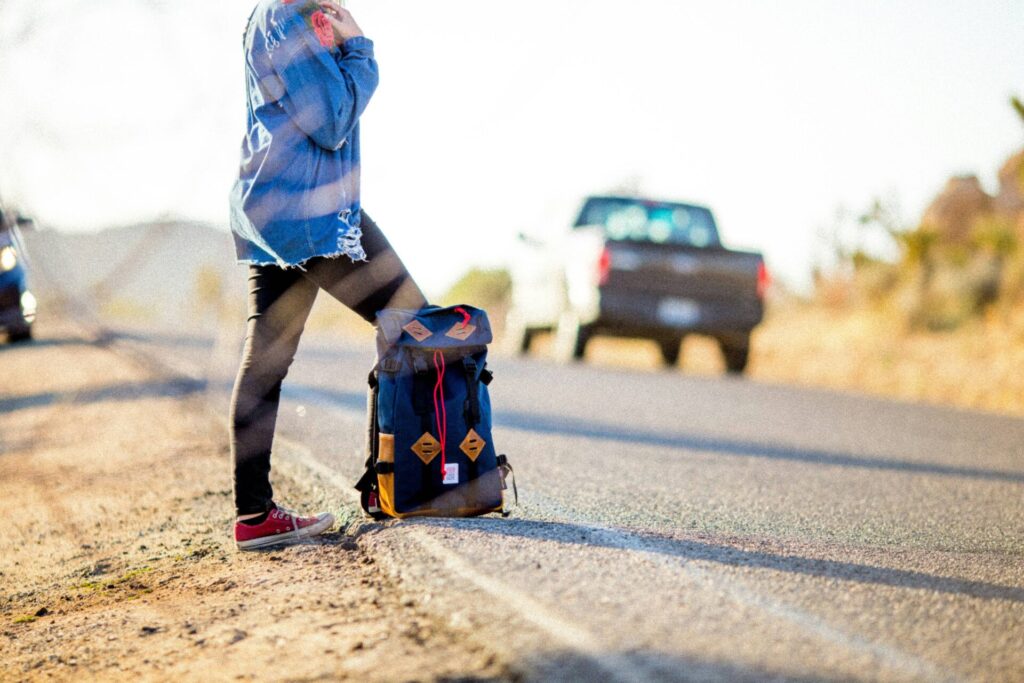
1. Prepare ahead of your trip!
I think the most important part of dealing with emergencies on the road is being prepared ahead of time. That might sound cliche, but it holds true after years of travel. Things to prepare:
- A good travel insurance – this will literally save your trip and wallet in most cases. Whether you get injured, there’s an accident, something gets stolen, travel insurance is what will help you get out of the situation without going bankrupt. In medical emergencies, they can also help get you the right care or back home. It’s just a non-negotiable (I use True Traveller).
- Copies of important documents – that includes passport, travel insurance, emergency contacts, visa, vaccine records, list of emergency contact numbers including your family/friends but also places to contact locally in terms of emergency
- Emergency Money Access – I learned this the hard way when my card broke during travel and I had to get an expensive emergency one shipped out. Bring an extra card with you!
- Medicines – this includes of course prescription ones, but I highly recommend also packing ones for allergies, travel sickness, diarrhoea, rehydration, flu and pain killers. I also like to have some band aids and antiseptic wipes with me.
- Create a digital back-up – make sure that any photos, important files, etc are backed up on a cloud or additional device that you aren’t travelling with.
- Make a plan of action – what are the emergencies you are most likely to run into? Lost passport, stolen wallet/phone, injury, lost luggage, getting lost, any natural or political disruptions? Sit down and research what to do in these situations. It may seem tedious, but knowing how to react in an emergency is possibly the most important step of all of this! Know where your embassy is, emergency numbers, backup communication, how to cancel cards, how to reach your insurance in an emergency and so on!

2. Find a safe haven to action your emergency plan and get help
When something happens, ideally you don’t want to be out on the street trying to sort yourself. Find a café, a hotel, a police station, anything that has other people who can potentially help you and go there to action your emergency plan.
This way you can get support in calling emergency numbers or reaching police/medical or really anything else. Any place that usually works with travellers will be more prepared to help (Hotels, Embassy, Tourist Information Centers, transport hubs), but anything is better than the street.
3. Have an emergency kit ready
This ties in with point one of preparing, your emergency kit is super important (it doesn’t have to look like a “kit”, as long as you know where everything is).
Things to add would be:
- Medicines and first aid items
- Copies of documents
- Extra card/cash
- Flashlight and possibly a small multitool
- power bank
- a few Ziplock bags (surprisingly useful!)
- tweezers and scissors
- vomit bag (or just any plastic bag, also more useful than you’d think)
- Hand Sanitiser
- Electrolytes
- a sewing kit
- at least one lock
- Insect repellent
- Sunscreen
You will likely want to add or subtract from this based on your personal needs, but these are some things you may want to bring. I don’t have these in one ready to go bag as I don’t carry everything everywhere, but they are with me on every trip.
4. Protect your assets and yourself
Once you have gotten yourself out of the situation and to a save haven, it’s time to protect yourself and/or your assets.
In case of a robbery, that would mean cancelling all cards and filing a police report as you will need this for insurance purposes. Write down anything you can remember about the incident too. If you can, wipe your phone remotely. If your passport was stolen, head to your closest embassy as soon as possible (I’d recommend looking up the process of getting an emergency passport for your country prior to travelling).
If you have had an injury, your actions depend on the severity. If it is life-threating, call emergency service ASAP (112 will always connect you to the local emergency services). Once in hospital, contact your insurance.
If it is less severe, head to a pharmacy or local clinic to get help and contact your insurance for help. Use your first aid kit where appropriate or ask a local business for theirs if necessary. All businesses should have one.
Save receipts, diagnoses, and reports for insurance claims!
I think the most important steps are getting yourself to safety, then getting official channels involved and then protecting your assets as much as possible.
5. Reset and rethink
Any incident on the road, whether minor or significant, can leave you quite rattled. After all, you are on holiday and just trying to enjoy yourself. You never expect anything to happen.
Once you have gone through your emergency steps and hopefully stabilised the situation, it’s time to let it sink in. Don’t rush through your itinerary but give your body and mind time to rest and come to terms with what happened.
It is at this stage that you need to think about whether you’d like to continue your trip or head home. For minor incidents like pickpocketing, I’d always say to continue if you can. Things are replaceable.
Injuries are a different thing and will really vary case by case. Contact your loved ones or support network and discuss next steps. Don’t rush anything.
There have been quite a few times where I have gotten sick on the road and booked myself into a hotel for a few days to recover instead of going on with my itinerary. It might feel frustrating, but you need to listen to your body.
If you are concerned about anything and would like to chat, you can always reach out to me via socials too!
Recently on the blog:




Hi, I'm Bell
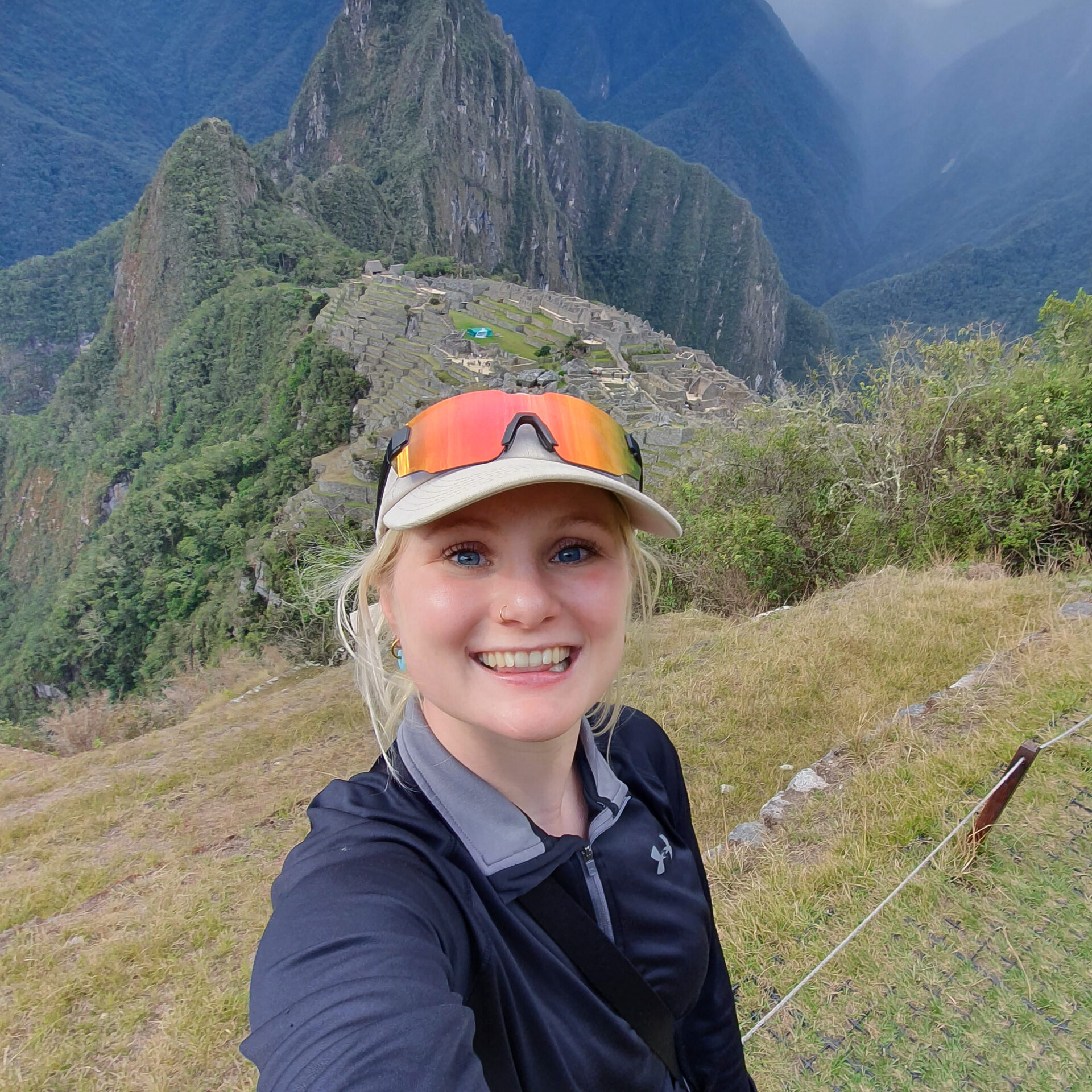
My blog is here to show you that there isn’t one correct way to travel the world. Together, we can figure out what that means for you. Learn more about me here!
Latest from the blog:
Travel Off Script contains affiliate links to support the running of the blog. If you make a purchase through these links, I will earn a commission at no extra cost to you. Thank you.
One comment
Making notes for my upcoming solo trip 🙂