
17 Best Free Things to do in Tokyo, Japan
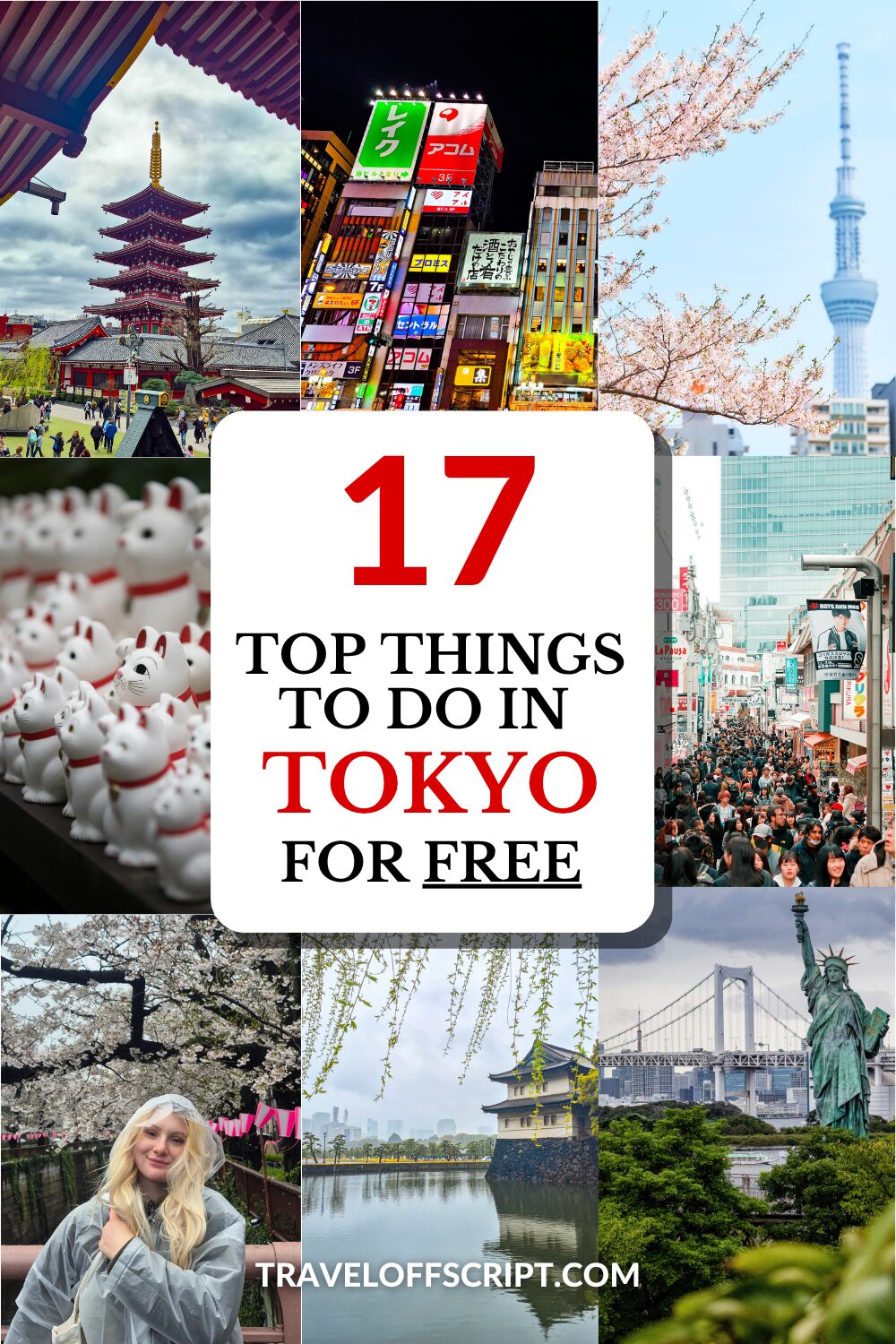
Tokyo is known for many things – being the largest city on earth, the amazing food, the many temples, how busy it is and so on. It is also known to be a very expensive place to live and visit. However, I managed to visit the mega city on a budget without missing out on any of my bucket list items. Here are my favourite free things I did while in Tokyo.
I spent 5 days in Tokyo during cherry blossom seasons without going over budget, which honestly surprised me more than anyone. One of the biggest expenses was accommodation, but even that had some budget-friendly options (check out my favourites here).
The most surprising part though was just how many of the must-do things in Tokyo were completely free, or had free alternatives. In spent very little money on the places I visited and activities in Tokyo, which really helped in terms of budget.
It also means if you do have more expensive places like Disneyland on your bucketlist, you can offset them with the amazing free activities on offer the rest of the trip. So without further ado, here are 17 must-visit attractions in Tokyo that are completely free!
This blog may contain affiliate links to support the running of the blog. If you make a purchase through these links, I will earn a commission at no extra cost to you. Thank you.
Table of Contents
ToggleHow to get to Tokyo?
Whether you are flying into Tokyo or headed there from your previous destination by train/bus, here is exactly how to get to the city center:
Flying into Tokyo
There are two airports in Tokyo – Narita and Haneda. I personally flew into Narita which I believe is where most budget international flights land. Many say that Haneda is the nicer of the two, though I had no issues at Narita.
I usually check on Kiwi.com and Skyscanner for the cheapest flights and which airport to fly to.
How to get from the airport to Tokyo City Center
This will be different for each airport, but I actually used Google Maps to find the cheapest way to get to my accommodation.
Haneda Airport:
The cheapest way from Haneda Airport to the city centre is either by Monorail (600-700 yen/$4.50) or by Keikyu Airport Line (about 500 yen/$3.40 to city centre). Both will take around 45 minutes to an hour depending on where in Tokyo you are headed.
You can also get the Limousine Bus for a more convenient journey. It costs around $10 and takes 45 minutes to most hotels.
Narita Airport:
The cheapest way to and from Narita Airport is the Asakusa/Keisei Narita Line. It will get you to central for around 1,400 yen ($9.40) and takes a bit more than an hour.
Alternatively, you could take the Narita Express Train which takes 50ish minutes and costs ~3,250 yen ($22), or the Keisei Skyliner which takes around 40 minutes and costs ~2,470yen ($16.60). Your destination within Tokyo will depend on which one is better.
There is also an Airport Limousine Bus which is really convenient if you have heavy luggage as you will not need to drag it through Tokyo’s stations. The bus takes +/- 90 minutes and costs roughly $25.
From Osaka/Kyoto to Tokyo
You have three options to get to Tokyo from Osaka and Kyoto. The quickest is flying and can sometimes even be one of the cheapest, check for flights here.
The second option is the famous Shinkansen which costs around $110 and takes between 2.5 and 3 hours. Make sure to book a seat on the Mt. Fuji side (right side when coming from Toyko and left side when starting in Kyoto/Osaka) for the best views.
The last option is an overnight bus, which saves you a night on accommodation but the standard seats are not that comfortable (speaking from experience). If you book early enough, the sleeper comfort seats can still be cheap though and are well worth it. I personally went with Willer Travel as it is the most well-known, but you can find other options here.
Related Article: My Experience Taking the Night Bus from Kyoto to Tokyo
Where to stay in Tokyo?
Tokyo has an amazing public transportation network, however, it stops between around midnight and 5am. That means if you are out enjoying the nightlife or a late dinner, you should be really careful with timing or pick a close neighbourhood.
I’d say for anyone wanting to try the nightlife, definitely stay near Shinjuku. Otherwise, good areas are Shibuya, Asakusa, Ginza and Tokyo Station.
Best hostels in Tokyo for backpackers:
Unplan Shinjuku Hostel Den
LYURO Tokyo Kiyosumi
Resol Poshtel Tokyo Asakusa
First Cabin Ichigaya
Avoid: TenTen Guesthouse Asakusa – I stayed here and felt really unsafe as a solo, female traveller.
Best hotels in Tokyo:
How to get around Tokyo using public transport?
Tokyo’s public transportation network is extensive and pretty efficient. You can either buy single trip tickets at the ticket machines each time or use an IC card. An IC card is a prepaid card that you can use for transportation or even the convenience stores, lockers and many more things around Japan.
Tokyo’s version is called Suica but you can also use Osaka’s Icoca card or any other. Prices start at ¥1000 including a 500yen deposit that is refundable at the end of your holiday. The other 500yen are loaded onto the card. You can buy the ICOCA at JR stations or Kansai airport and top it up at any train/subway station and most convenience stores. You can also add the card directly to your Apple wallet.
I used Google Maps to get around Tokyo and navigate the subway system and found it pretty easy. It will tell you where to get on and off and even which exit to best take (stations in Japan have MANY exits so getting the right one will save a lot of time). You likely will still get lost – I once spent 30 minutes running around Shinjuku station and could not find the exit. It’s part of the experience 😀
Top free things to do in Tokyo
1. Enjoy sweeping views of Tokyo from the Metropolitan Government Building
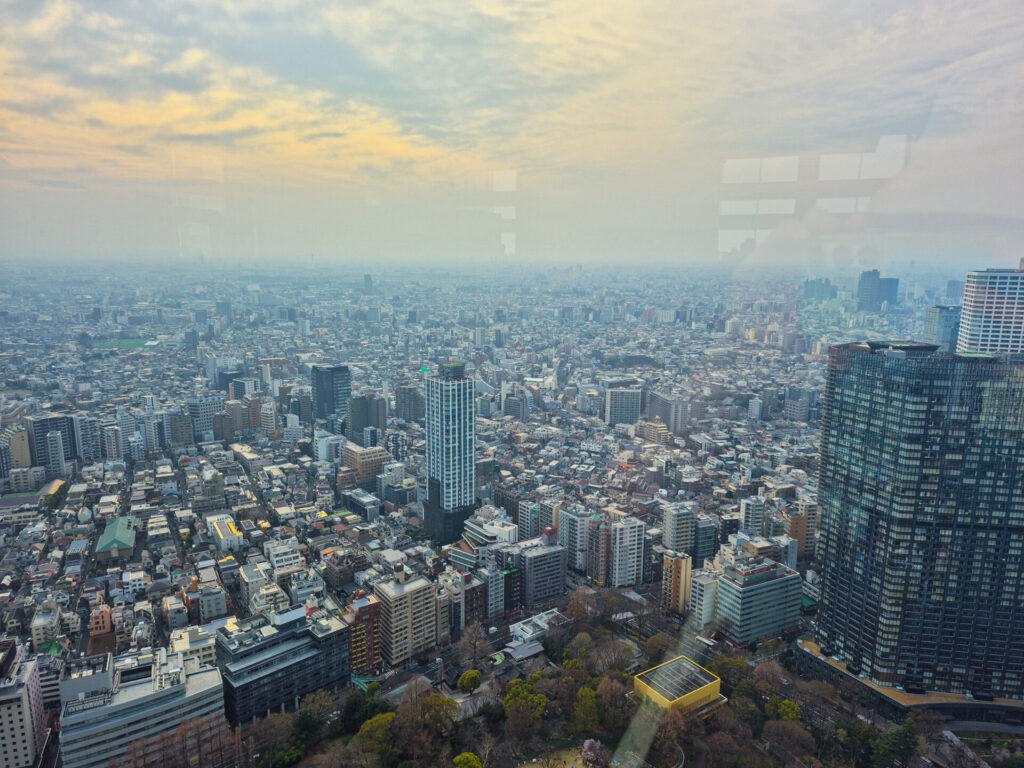
If you are looking for a budget-friendly alternative to Shibuya Sky, the Government Building is the place to go. It has a North and South Tower which both have 360° observation decks on the 45th floor. You can check the queue times for both towers here.
You will get sweeping views over Tokyo from each tower and on a clear day, you can see as far as Mt. Fuji. South tower is open from 9.30am to 5pm and North tower until 9.30pm.
There are two lifts for each tower and it does get busy, I waited about 30 minutes at 3pm. It could be longer closer to sunset, but that is also one of the best times to head up to see the city come to life at night. There’s a café at the observation deck if you want to wait around for sunset.
2. Visit the oldest temple in Tokyo, Sensō-ji
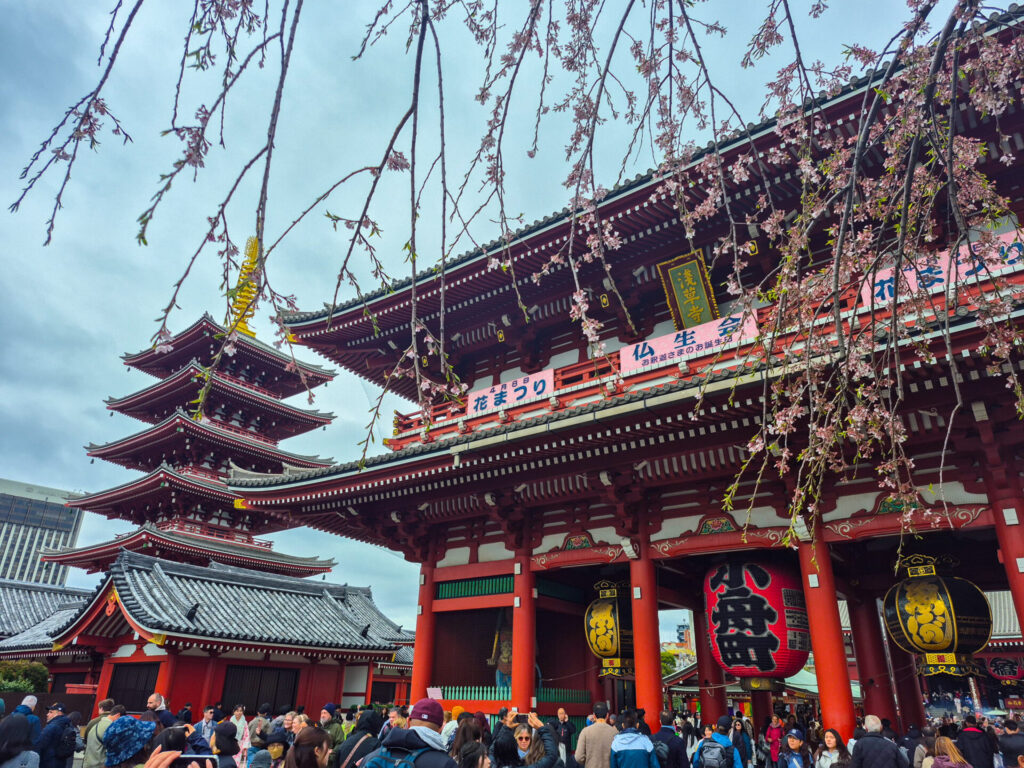
One of my favourite places in Tokyo and an absolute must-visit while there! The entire temple grounds are massive with beautiful red buildings and big lanterns hanging from the gates and halls.
I actually stayed close to this temple in the Asakusa neighbourhood for part of my time in Tokyo and loved the area.
It is Tokyo’s oldest temple, completed in 645, and said to be the temple of Kannon. Kannon is the goddess of mercy and regarded as a protective force.
There are several buildings as part of the temple, such as the 5-storied pagoda, the main hall, Nitenmon Gate and several other halls. Entry to all areas is free.
3. Explore the lively Asakusa neighbourhood
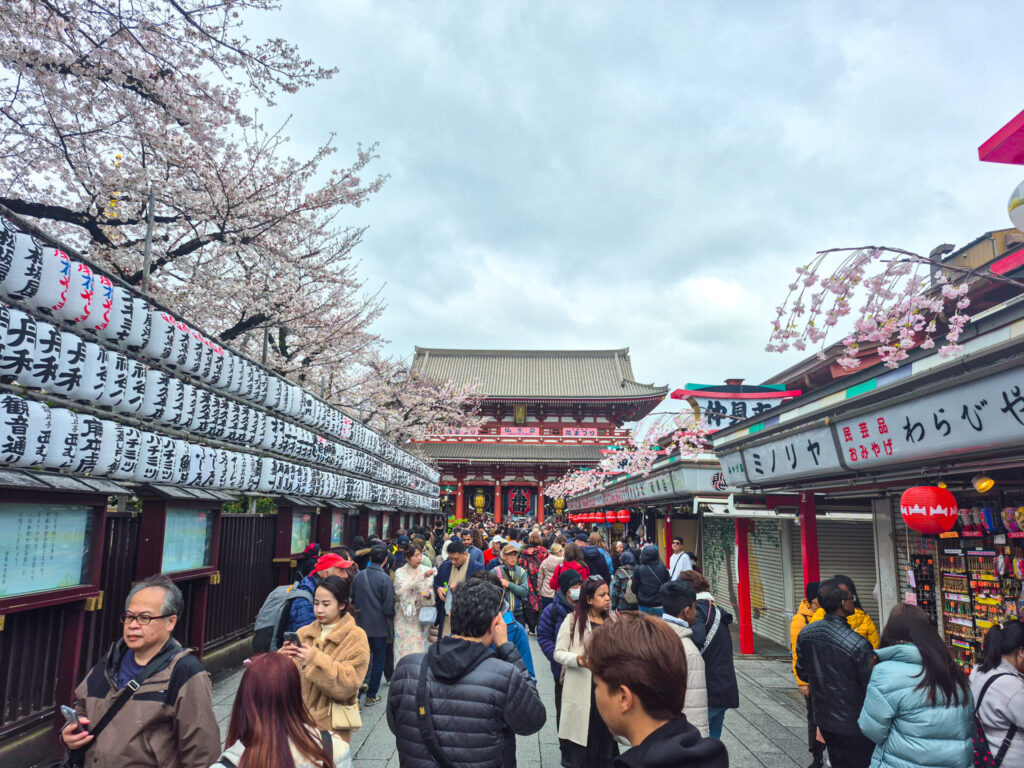
Asakusa is a district of Tokyo and built all around Sensō-ji temple. During the day, it is a busy, touristy neighbourhood, but it transforms into a more serene place at night.
Nakamise Street is the street that connects the entrance Kaminarimon Gate to Sensō-ji Temple. Kaminarimon Gate, also called Asakusa’s Thunder Gate, has a massive, gorgeous lantern hanging from the middle.
After passing through the gate, you enter Nakamise, the famous shopping street in Asakusa.
Shops here sell a variety of souvenirs as well as Japanese snacks and sweets. It is one of the oldest shopping streets and meant to replicate what an Edo-era street in Tokyo may have looked like. Whether you are looking to buy souvenirs or just window-shopping, it is a must-visit.
Another area of Asakusa you need to check out is Kappabashi Kitchen Town. The entire street is lined by restaurant suppliers and kitchen-equipment dealers and a DREAM for any ceramics lover or those looking for chopsticks.
Here you will also find the famous personalised Japanese knifes, which are world-renowned for their quality and the value for quality is unbeatable.
Everything here is beautiful and really fair price-wise.
4. Watch Sumo Wrestling training for completely free
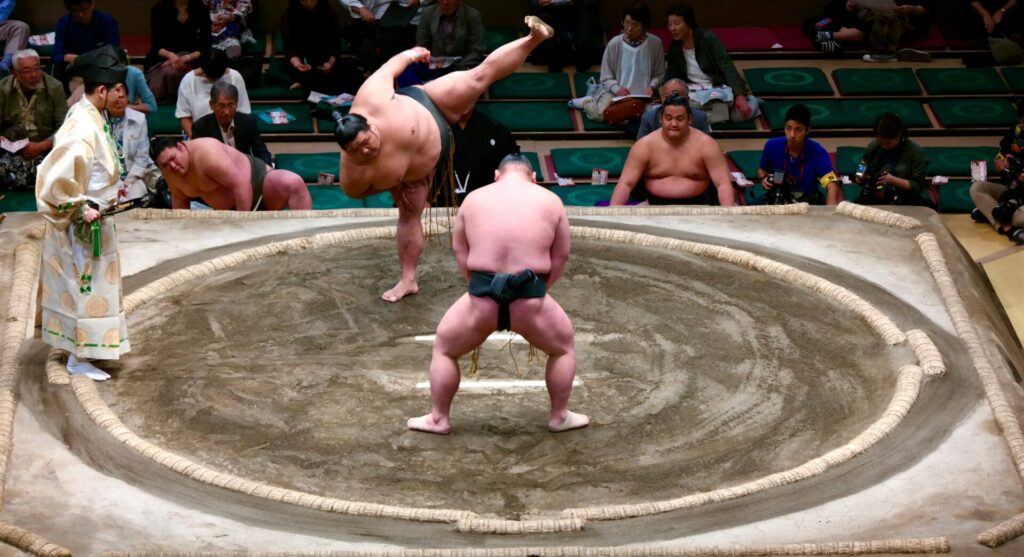
Tokyo has a ton of sumo performances that are well worth watching. After all, it is the country’s national sport and a fascinating one at that.
There are plenty of tours of different training facilities and performances that are an amazing introduction to the sport, however you can also still watch a practice for free at Arashio-beya (peeking through the windows is officially allowed and always attracts a crowd). They publish the training schedule on their website.
5. Check out the famous Shibuya Crossing
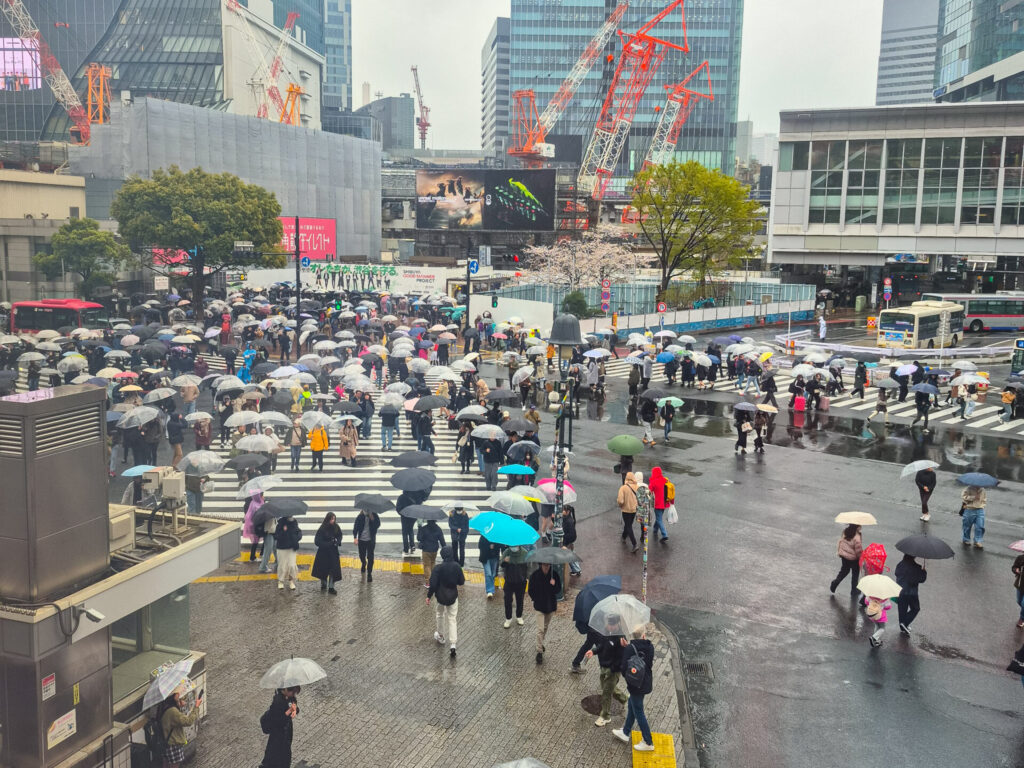
Shibuya Scramble Crossing is a big intersection with 5 different crossings that all go at the same time, leading to huge amounts of people to “scramble” across the road at the same time. It has gone viral on social media and while a little overhyped, is certainly worth seeing.
It is best experienced from above, with several free options to do so that many don’t know about. We went to the Starbucks that sits at one of the crossing points. You are supposed to buy a drink, but there is a cramped window by the escalators where you can get a view of the crossing for free.
If you head to the Shibuya Mark City shopping mall and head up to its glass-window walkway on the upper floor, you will also get a great view of the crossing for free.
Another fantastic free option is at the top of Shibuya Hikarie shopping centre. Head to the 11th floor for views of the crossing.
6. Pay the loyal dog Hachiko a visit (don’t worry, it’s free)
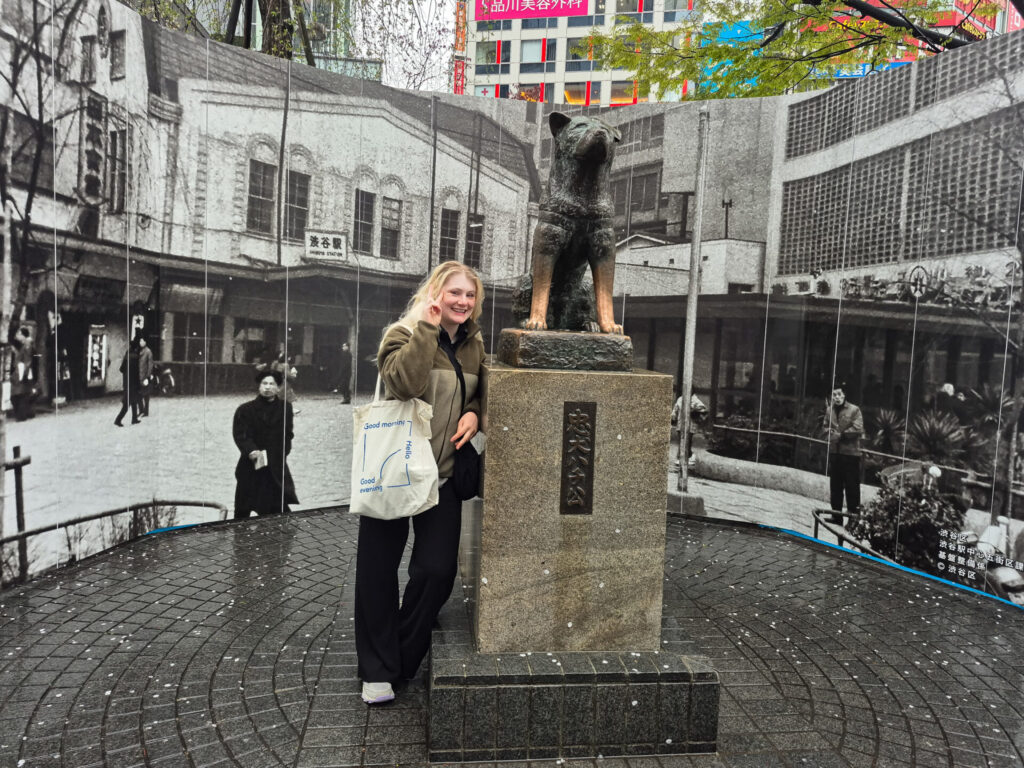
While in Shibuya, you cannot miss saying hi to the statue of Hachiko. It is completely free to visit, though you will likely need to wait in line to take a photo (took around 10 minutes when we went).
The statue honours the most loyal dog in Japan, Hachiko. It is said that around the 1920s, this Akita dog waited outside Shibuya station every day for his owner Professor Ueno to arrive back from work. Until one random day, his owner suffered a fatal stroke and did not return, yet the dog continued to wait at this spot for years to come.
7. Enter the world of anime and video games at Akihabara Electric Town
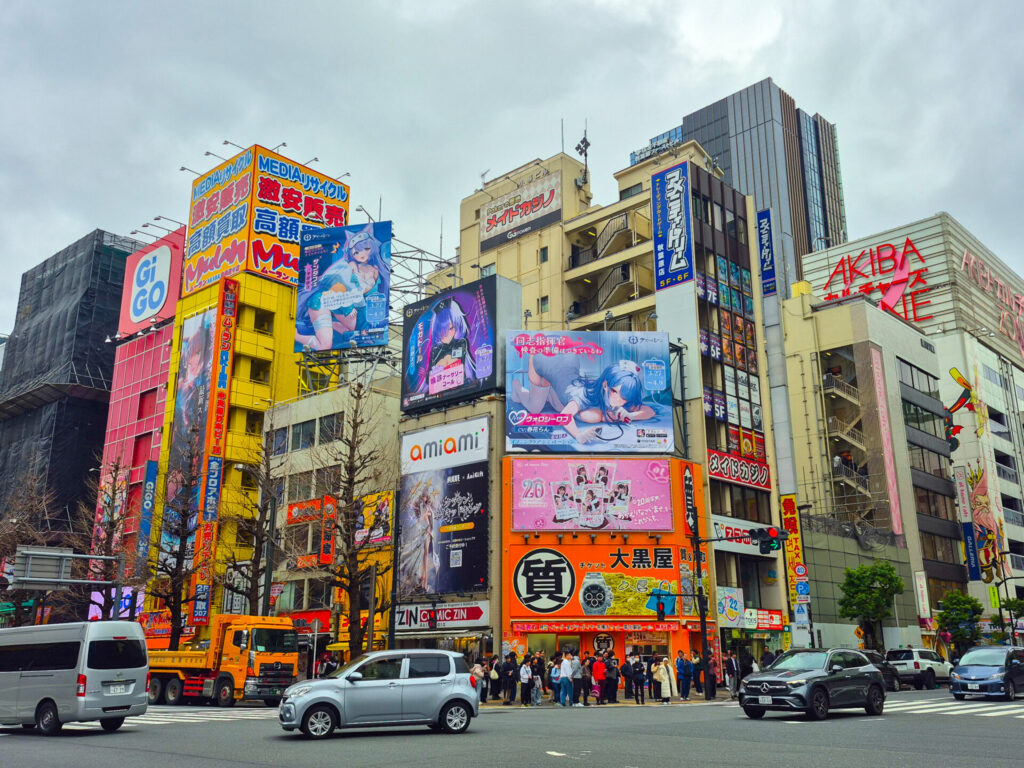
If you are into Anime or Video Games, or simply want to see an absolute neon light explosion, this is the area for you. The tightly packed buildings in the area are full of everything anime, manga, video games, merch, idols and maid cafés.
Basically it is the place to go for your “geeky” dreams, in the best way possible. I enjoyed just walking around, seeing the neon lights and exploring the different anime shops.
8. Wander the expansive grounds of Meiji Jingu Shrine
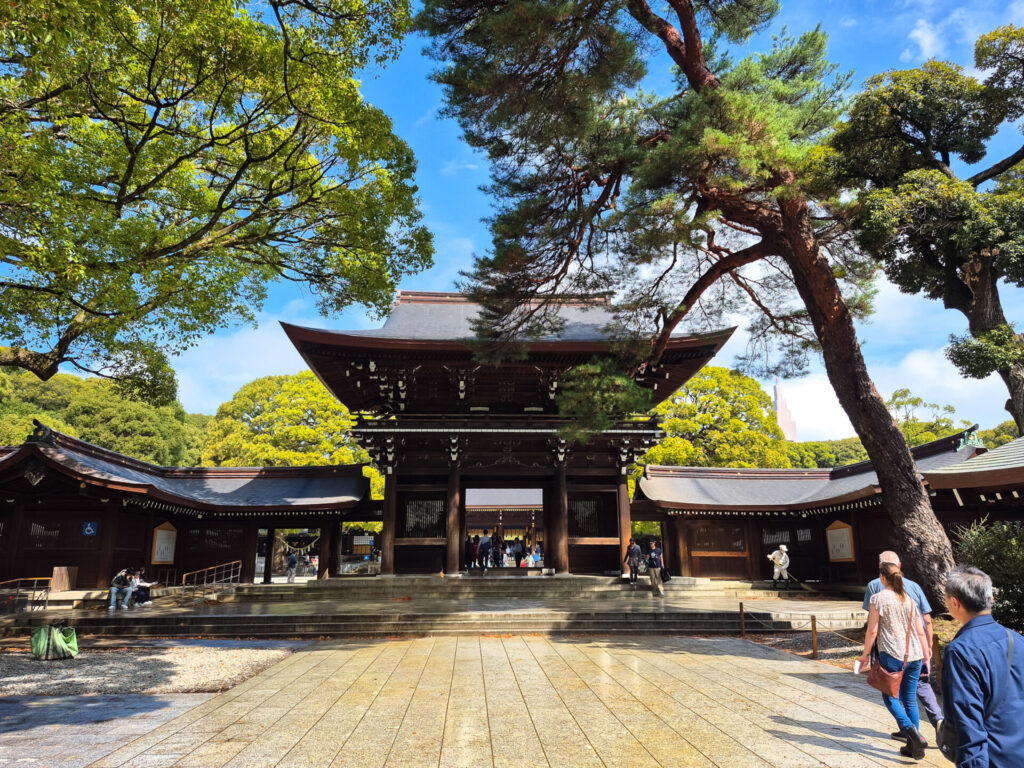
Meiji Jingu Shrine was surprisingly one of my favourite stops in Tokyo. It is located in the middle of a lush, green forest and the grounds are beautiful and serene. Best of all, entry is completely free.
This Shinto shrine is dedicated to Emperor Meiji and Empress Shoken, under who Japan changed into a modernised nation. While at the shrine, make sure to fill out an “Ema” plate with your wishes. Also check out the two trees coined “Marriage Trees” which have grown together and intertwined ad are now said to bring luck and love.
When exiting the area, you will also come past a wall of sake barrels, each painted by the area of Japan that donated the barrel.
9. Enjoy nature and cherry blossoms at Yoyogi Park
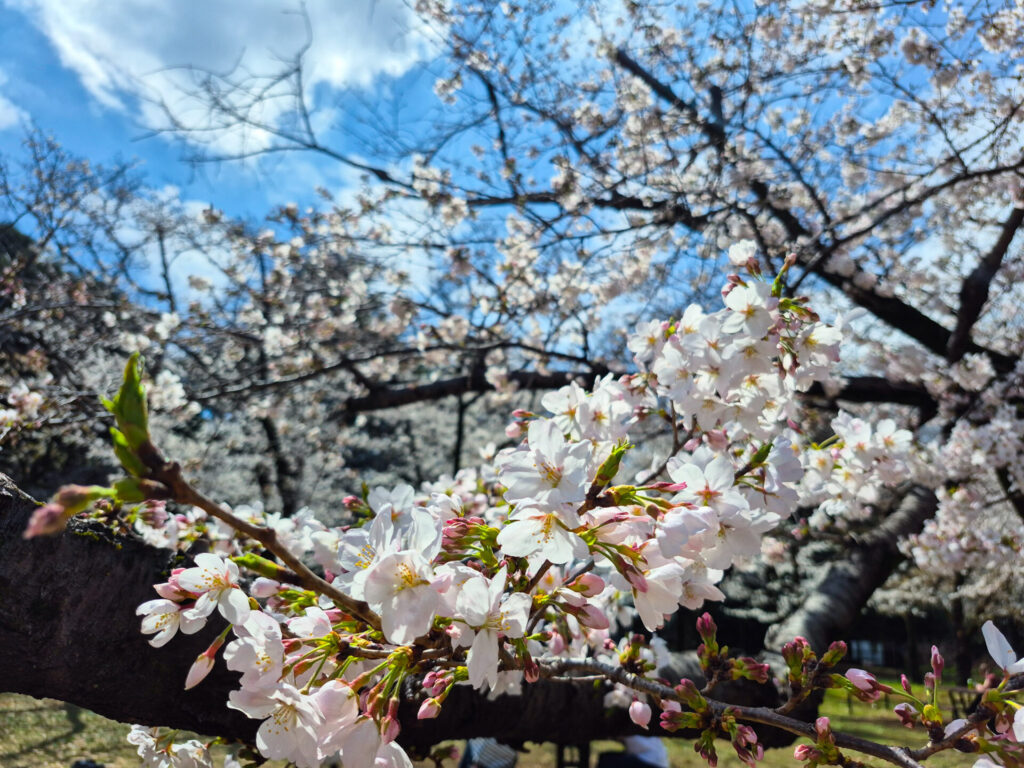
Yoyogi Park is a dream during cherry blossom season. I have never seen this many cherry blossom trees in one place.
However, even outside of the season, the park is a beautiful location for a picnic or stroll. There are also a bunch of food carts here where you can buy snacks and eat them by the ponds.
10. Go trend hunting in Harajuku, specifically Takeshita Street
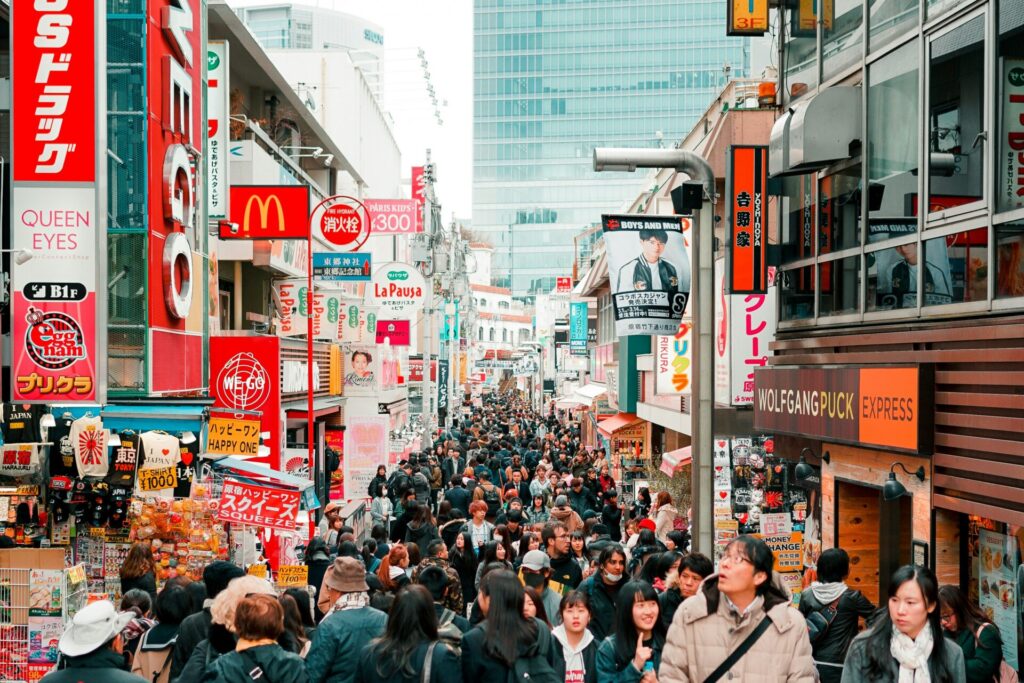
Harajuku is THE trendy area of Tokyo and epicentre of fashion. The most well-known and busiest street here is Takeshita street. It is full of trendy stores, unique accessories and has deep links to Japanese anime culture with cosplay shops and themed cafes.
Heading here earlier in the day will make the crowds a little more manageable. While you can certainly spend a lot of money here shopping, I had a great time just walking around the area and enjoying the incredible fashion and fun stores.
Make sure to check out Tokyu Plaza shopping mall with its Kaleidoscope of mirrors. The popular store “niko and…” is also in this area, with tons of cute accessories and unique clothing items.
11. Visit the impressive Tokyo Imperial Palace
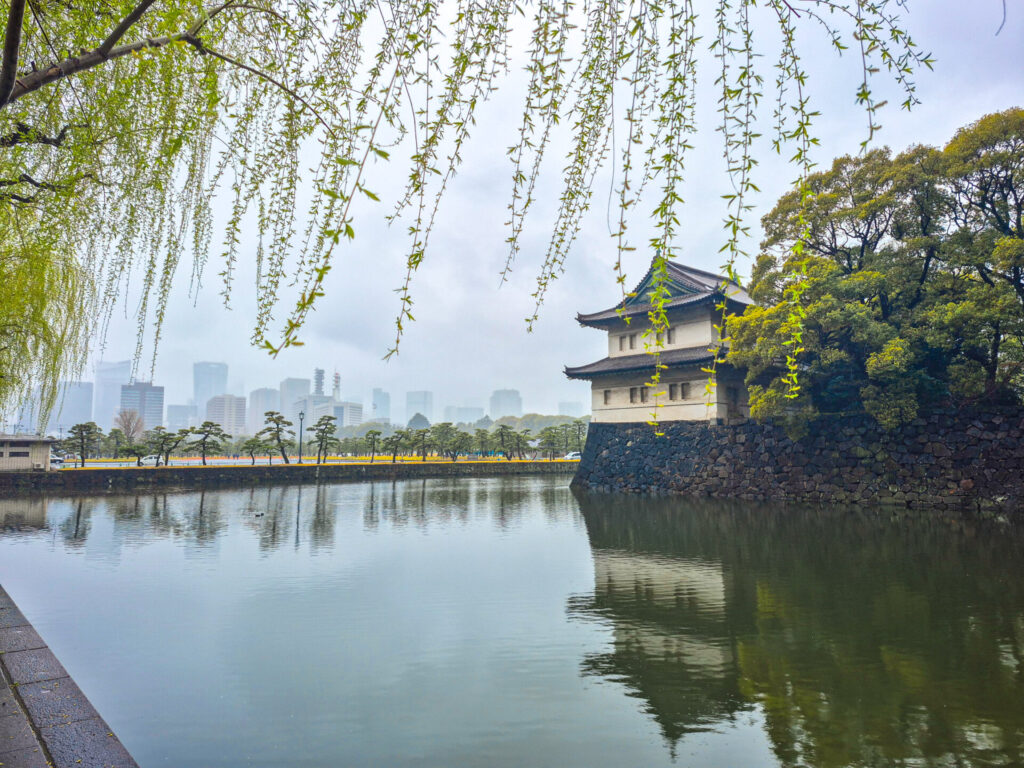
The Imperial Palace is the main place of residence of Japan’s Imperial Family, situated on the former site of Edo Castle. The majestic palace and its beautiful gardens are surrounded by a moat and huge stone walls, which turn into one of the best cherry blossom viewing spots in spring.
The palace ground are only accessible via a tour, which is held in English and Japanese, twice daily, Tuesday to Saturday. The tour is completely free but it’s advised to book in advance as spots go quickly. For this tour, you meet your guide at the Kikyomon Gate, a 10-minute walk from Nijubashimae Station or Otemachi Station.
The East Gardens of the Palace are also free and can always be visited (except Monday and Friday) but bring minimal bags as they are checked and EXTREMELY strict. The gardens are stunning, well-maintained and make for a lovely walk. You can access the gardens through Otemon Gate, Hirakawa-mon Gate, and Kitahanebashi-mon Gate.
On Sundays, you can rent bikes for free from 10am to 3pm to cycle around the palace walls.
12. Explore advertising in all its forms at the Ad Museum
If marketing and ads are your thing, or you want to learn more about Japan’s history from an interesting angle, this museum is for you (and it’s completely free!).
It is home to a small exhibition about advertising in Japan, including its history and modern takes. There are fun interactive elements. Overall, a great way to spend some time on e.g. a rainy day in Tokyo.
13. Head to Ueno for parks, markets and museums
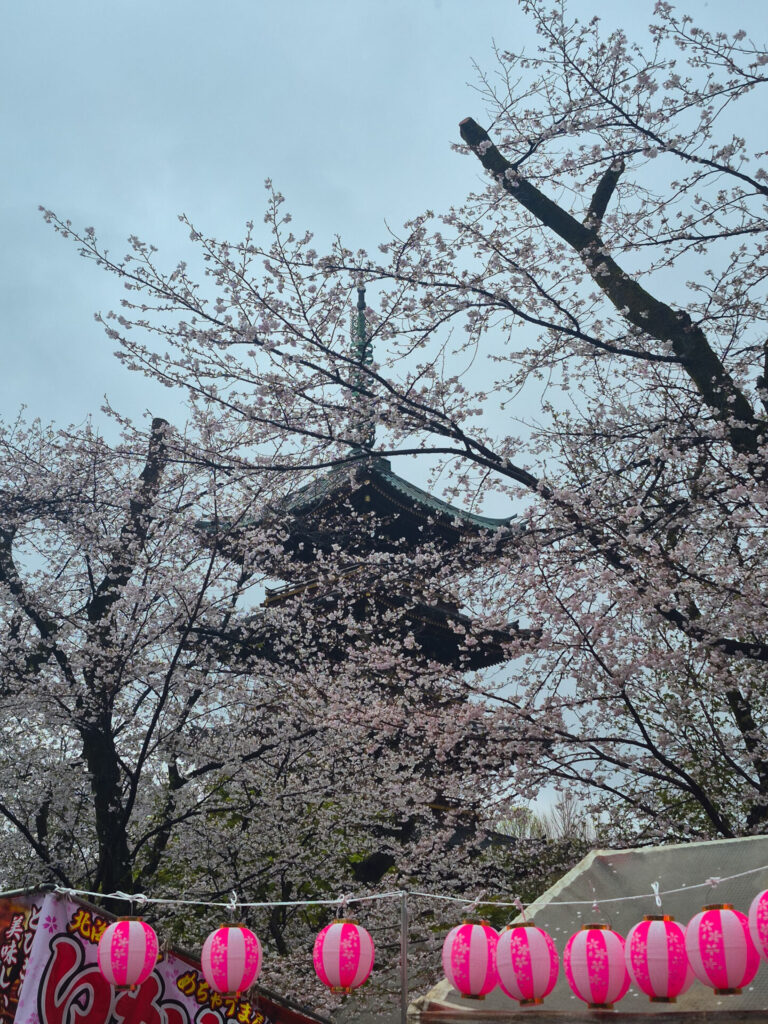
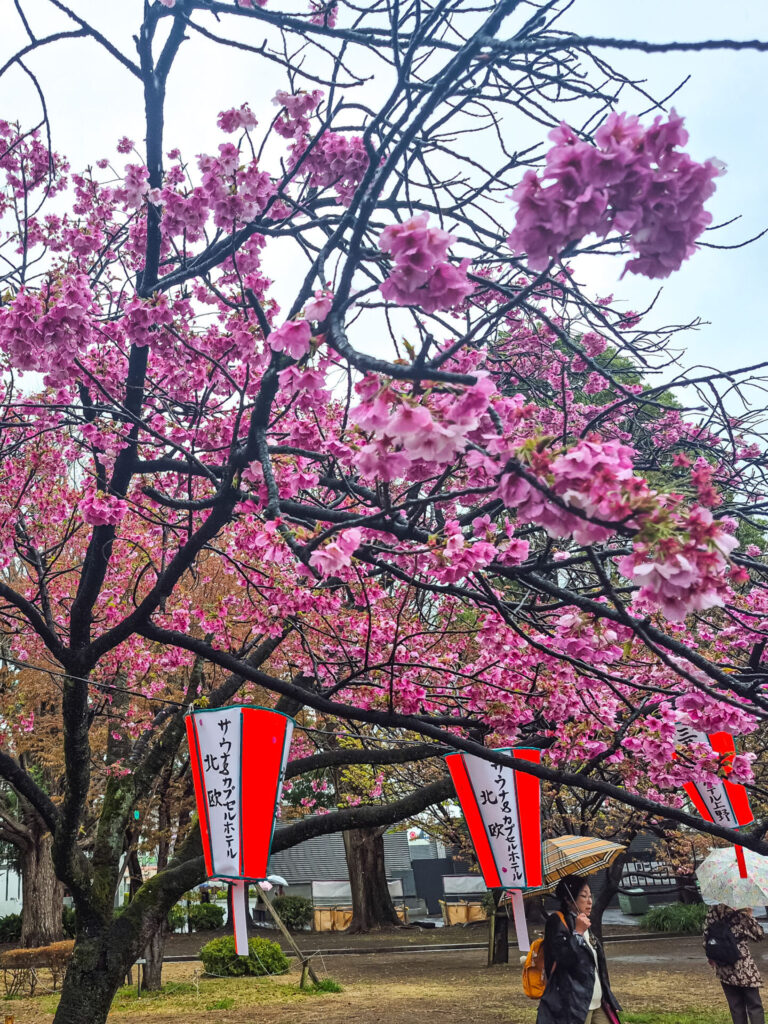
Ueno is a beautiful area of Tokyo, full of markets, delicious food, a stunning park and many museums. Head to the nearby Ameyoko street for affordable street food and market stalls.
Ueno Park itself is a huge green area with a beautiful pond and several temples and shrines. During cherry blossom season, the park turns into one of the most incredible blossom viewing spots in Tokyo.
However even outside of that season, the park is well worth a visit. It used to be part of Kaneiji Temple, one of the city’s largest and wealthiest temples during the Edo Era.
Things to check out while here are e.g. the Statue of Saigō, Shinobazu Pond, Gojoten and Hanazono Inari Shrines and Toshogu Shrine.
14. Marvel at the cat statues of Gōtokuji Temple
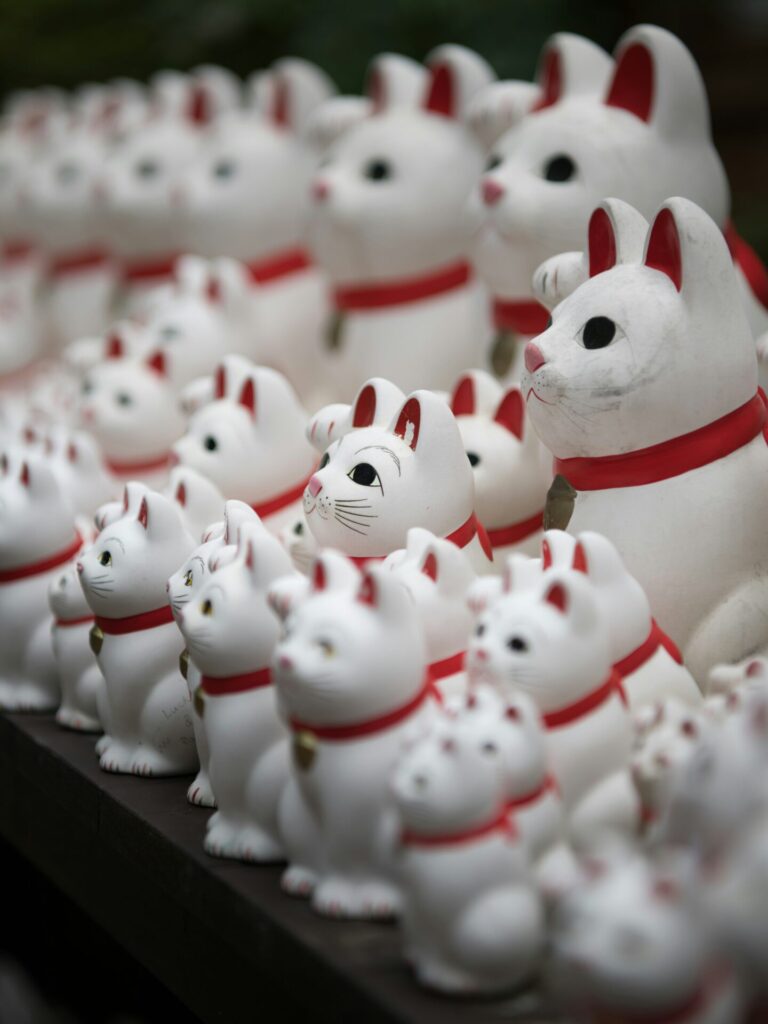
A little outside of the city centre, you will find a truly unique and fascinating temple. Gōtokuji Temple, also often referred to as the ‘Lucky Cat‘ temple, is full of hundreds of small cat statues.
It is thought to be the birthplace of the Maneki Neko cat, which translates to “beckoning cat“. The raised paws are said to invite good fortune and you can purchase your own figurine at the shop of the temple. Entry to the temple itself is free.
15. Learn more about the ancient art of Origami at the Origami Museum
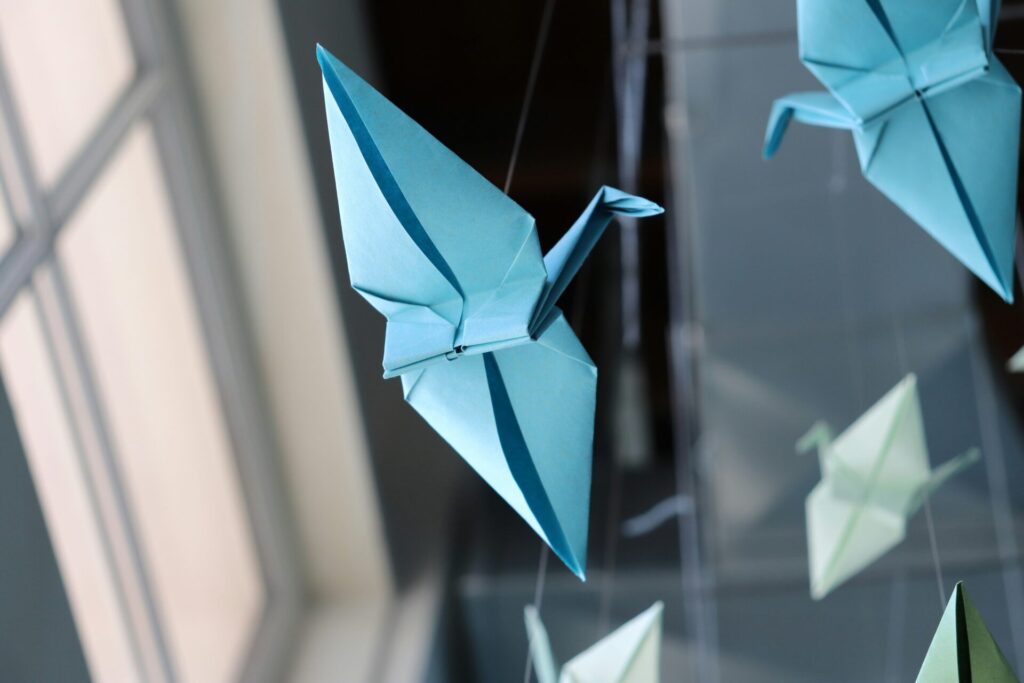
The museum is several things at once: an exhibition, a learning environment, a place for workshops and just a space to enjoy and share the art of Origami. Entry is free and you can often join workshops or just learn from the amazing staff here how to make your own Origami for also free.
Check out the English guide to the museum here and immerse yourself in an important part of Japanese culture!
16. Head to Odaiba beach for a change of scenery
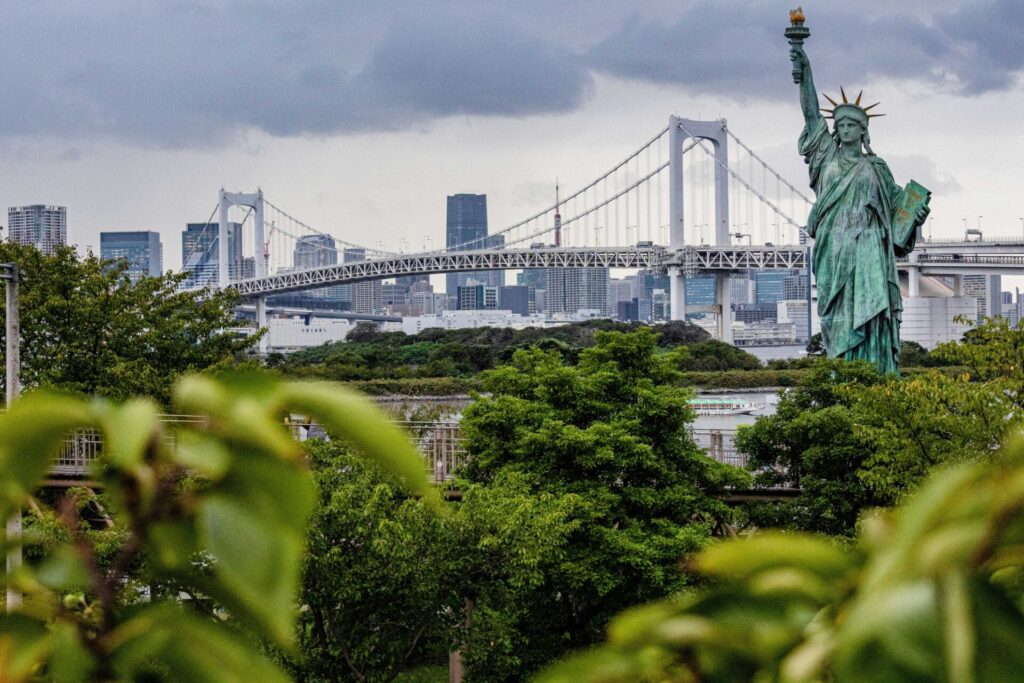
For a unique view of Tokyo and a break from the cityscape and hustle, head to Odaiba beach. It is especially beautiful during sunset and at nightfall, with views over Rainbow Bridge and the city lights of Tokyo.
The area even has its very own Statue of Liberty, which wasn’t something I was expecting. It’s a replica about 1/7th the size of the original, but looks a lot bigger in front of the Rainbow bridge.
17. Revisit history at the Bank of Japan currency museum
This museum may not be for everyone, but if you are into history and like to learn about different aspect of it, this is the place for you.
Entry is free and there is a free English audioguide to take you through the exhibition.
Recent blog posts:
How many days in Tokyo is enough?
I would recommend a minimum of 4-5 days, more if you are planning day trips to Mt. Fuji and Kamakura as well as full days at e.g. Disney Resort. As shown in this guide, you can see the main attractions and start to explore some of the key areas of Tokyo, though there is so much more to this huge city.
Related article: The Ultimate 5-Day Tokyo Itinerary on a Budget
Is Tokyo expensive to visit?
Tokyo is an expensive city, though with the right planning and leaving out some of the more pricy attractions, it is more than possible to visit on a budget. If booked early enough, there are plenty of affordable hotels and hostels in Tokyo, food in local restaurants can be around $5 for a meal and many attractions are actually free (as described in this article).
Related article: How to Travel to Tokyo For Cheap
Hi, I'm Bell
I’m a solo traveller, writer and designer. I created my blog to share the many different ways to travel the world. Learn more about me here!
Latest from the blog:
Travel Off Script contains affiliate links to support the running of the blog. If you make a purchase through these links, I will earn a commission at no extra cost to you. Thank you.

One comment
I love the places! Thank You for tell us this information!